
How to Buy a Home Without Feeling Pushed to Overpay
🏡 How to Buy a Home Without Feeling Pushed to Overpay
🧭 The Real Goal Isn't “Winning”, It's Buying With Confidence
It is easy to think the goal is to beat other buyers. But the real goal is to buy a home that fits your life and your budget, not just today, but years from now.
Overpaying usually happens when you stretch past what feels safe. Maybe it means higher monthly payments than you planned. Maybe it means you have no room left for repairs, travel, or savings. A home can be a great match and still be a bad deal if it makes the rest of your life stressful.
🌪️ Where the Pressure Actually Comes From
Pressure usually shows up in a few common ways.
One is speed. When homes sell fast, it can feel like you have to decide in minutes instead of days.
Another is emotion. Once you picture your couch in the living room, it gets harder to think clearly. You start bargaining with yourself. You tell yourself you will figure it out later.
The third is noise. Friends, family, and online comments can make you feel like you are falling behind if you do not act fast. That is how smart buyers start making rushed choices.
The good news is you can plan for pressure before it hits.
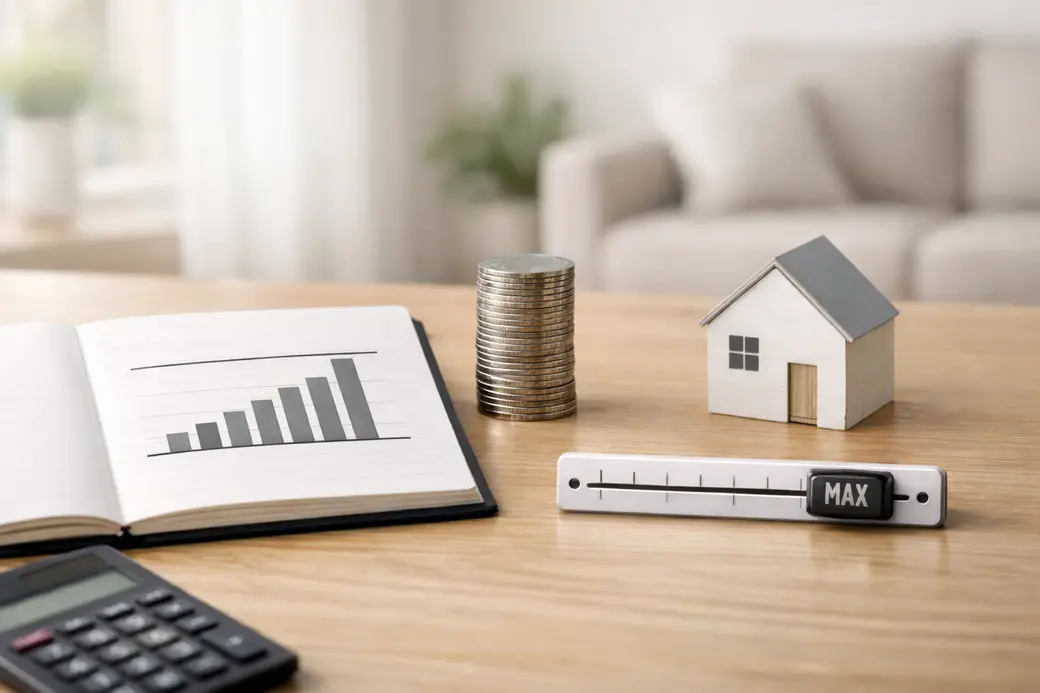
💵 Build a Money Ceiling Based on Your Life, Not the Bank’s Max
A lender might approve you for more than you want to spend. That is normal. Approval is not the same as comfort.
To stay in control, set your own price ceiling before you shop. This is your number, the one you do not cross, even if the home is perfect.
When you set that ceiling, leave room for costs that come with buying. Closing costs can add up, and it helps to plan for them instead of pretending they will not happen. CMHC often suggests buyers budget for closing costs that can land around 1.5% to 4% of the purchase price, depending on the situation.
Also, think about real life. If your car needs work next month, can you still breathe. If your income changes, do you still sleep at night. If the answer is no, your ceiling is too high.
🧾 Get Pre-Approved So You Can Negotiate Calmly
Pre-approval is not just a paperwork step. It is a control tool.
When you are pre-approved, you can focus on the house and the offer, not panic about whether financing will work. CMHC notes that pre-approval helps buyers understand what they can afford and what payments may look like.
This also helps you move faster without feeling reckless. You can make decisions with facts instead of fear.
One more thing, pre-approval gives you a range, not a rule. You still choose the payment you want to live with.
🧩 Use a Simple Offer Plan Instead of Bidding on Emotion
When buyers feel pushed, they often start “bidding to win.” That is where things go sideways.
A better plan is simple.
Pick your top price before you write the offer. Not while you are sitting at the kitchen table staring at the listing photos. Decide it earlier, when you are calm. Then, when it is time to offer, you are not guessing.
Next, think about terms, not only price. Sometimes the strongest offer is not just the highest number. Possession timing, conditions, and deposit details can matter, depending on the seller’s situation.
Finally, keep your must-haves list short. When everything is a must-have, it becomes easier to overpay. Decide what truly matters so you do not get dragged into a bidding war over features you will not care about in a year.
📌 Pro Tip: Before you offer, write down one sentence that explains why you like the home, and one sentence that explains what would make you walk away. If you cannot write the walk-away sentence, you are not ready to negotiate.
🧯 Quick Warning Signs You Might Be Paying Too Much
Some red flags are easy to miss when you are excited.
If the price feels high compared to other homes you have seen, slow down and ask why. There might be a reason, but you should know it.
If you feel rushed by lines like “offers tonight” or “you have to act now,” take a breath. Sometimes urgency is real. Sometimes it is just pressure. Either way, you still need to make a choice that works for you.
Also, watch for hidden cost risks. Repairs, maintenance, and ongoing costs can turn an “affordable” home into a monthly headache. This is another reason you do not want to spend your full limit on the offer.
🪂 Walking Away Is a Strategy, Not a Failure
Walking away can feel awful in the moment, especially if you pictured yourself living there. But it is often the smartest move a buyer can make.
A clean walk-away keeps you from buying a home that you will resent later. It protects your future options. It also helps you stay confident, because you are proving to yourself that you are in control.
If you walk away, do not spiral. Review what happened, tighten your plan if needed, and keep looking. The right home feels even better when you know you did not sacrifice your comfort to get it.
🔍 A Final Decision Check Before You Sign
Right before you commit, run through a quick check.
Can you afford the home and still live your life? Not just pay the mortgage, but still handle groceries, savings, and fun.
Would you still feel good about the purchase if the market cooled? If the answer is no, you may be paying too much for peace of mind.
Are you choosing the house, or choosing the pressure? If you are trying to “win,” that is a sign to pause.
Buying smart is not about being aggressive. It is about being prepared, clear, and steady.
🎉 Final Thoughts
Feeling pressure is normal when you are buying a home, but you do not have to let that pressure make your decisions for you. A firm budget, a calm offer plan, and the ability to walk away are what keep you in control, even in a competitive market.
If you are unsure what a fair price looks like, how to build a strong offer without overpaying, or when it makes sense to step back, I’d be happy to help.
📞 Call or text me at (639) 295-4696
📧 tanner@twrealestate.ca
🌐 twrealestate.ca
When you have a clear plan and someone in your corner, you can buy with confidence and avoid the kind of choices that lead to stress later.
Recent Posts

GET MORE INFORMATION