

Open Houses vs New Builds: What to Watch, What to Ask, and What to Budget For
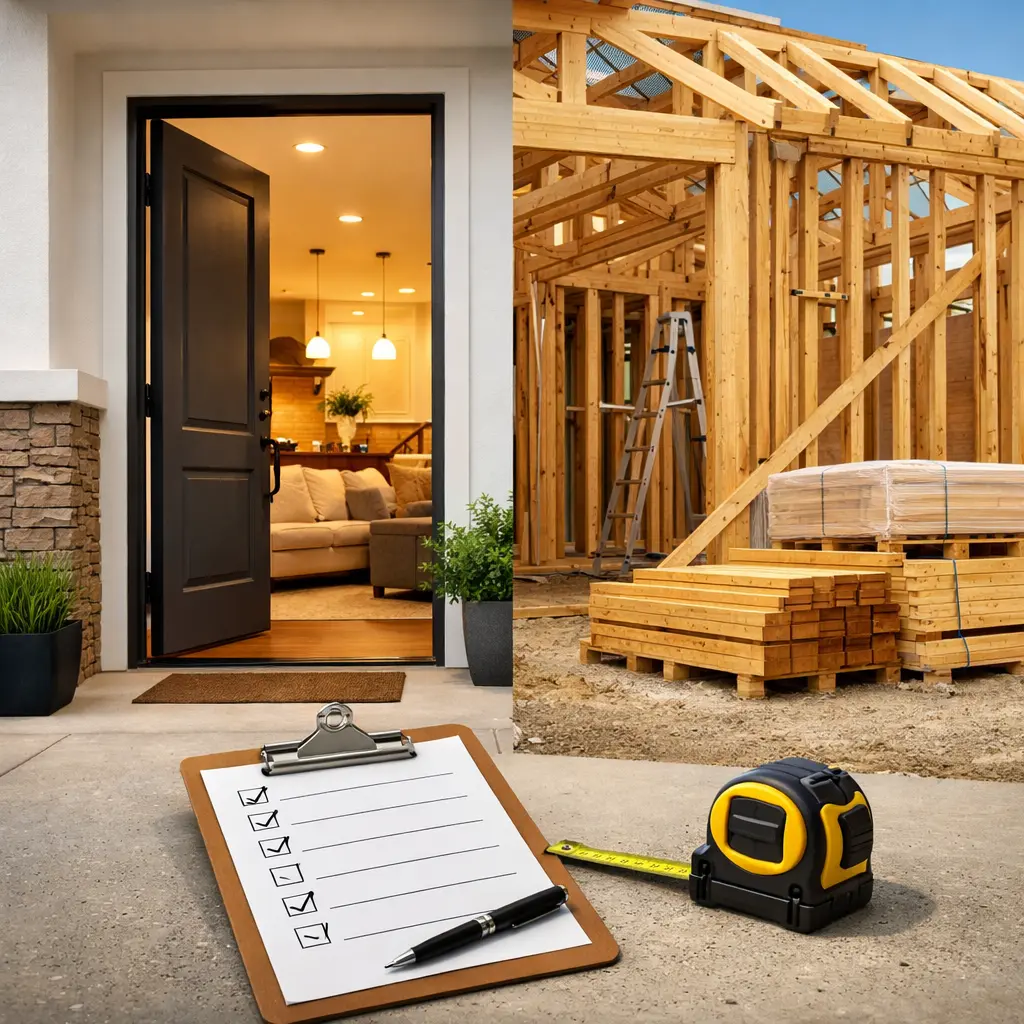
🏠 Open Houses vs New Builds: What to Watch, What to Ask, and What to Budget For
🏁 Pick Your Purpose Before You Go
An open house and a new build can both be great options, but they are not great for the same reasons. Before you step inside a home or walk into a showhome, get clear on what you are trying to learn.
If you are early in the process, your goal might be to understand layouts, neighborhoods, and what your money can buy. If you are closer to buying, your goal should shift to condition, costs, and deal breakers. The more focused you are, the less likely you are to get swept up by a nice couch, fancy lighting, or a fresh coat of paint.
👟 Use a Simple Open House Walkthrough Plan
Open houses move fast. You might feel rushed, or you might be trying not to bump into other people touring the home. A simple plan helps you stay calm and actually notice things.
Start with the basics:
-
Look at the entry and floors for wear and damage
-
Check walls and ceilings for cracks, stains, or patchwork
-
Walk through the kitchen and bathrooms slowly, these rooms are expensive to update
-
Open and close a few doors and windows, this can reveal sticking or shifting
-
Peek in the utility area to spot the furnace, water heater, and electrical panel
You do not need to inspect every inch, you just need to spot the big signals that tell you whether the home deserves a second look.
🔎 Look Past Staging and Focus on the “Fixed” Stuff
Staging is meant to make a home feel warm and easy to picture yourself in. That is fine, but it can also distract you from what actually matters.
Focus on the parts you cannot easily change:
-
Layout and room sizes
-
Natural light and window placement
-
Basement height and how it feels
-
Signs of moisture around bathrooms and basement corners
-
Smells, including heavy air fresheners that may be covering something
If a home looks perfect, slow down even more. The best staged homes often look flawless in photos, but your job is to notice what the camera does not.
📌 Pro Tip: If you want to remember details later, take quick notes in your phone right after you leave. After three open houses, many homes start to blur together.
🗣️ Ask These Questions While You Are There
You do not need to grill the hosting agent, but you should ask a few direct questions that reveal the real story of the home. Keep it simple and specific.
Good questions include:
-
How old are the shingles, furnace, and water heater
-
Have there been any recent repairs or insurance claims
-
Are there any known issues with water, sewer, or drainage
-
What upgrades have been done, and were permits required
-
Are there any offer deadlines, or is the seller reviewing as they come in
You are trying to uncover cost and risk. Even a short answer can tell you whether the home is well cared for or just dressed up for the weekend.
📣 Handle Competition Without Getting Pushed Around
Sometimes an open house feels like a lineup for concert tickets. If there is a lot of interest, it is easy to panic and make a rushed decision.
A smarter approach is:
-
Know your max budget before you fall in love
-
Decide your non negotiables ahead of time
-
Book a second showing quickly if the home is still a fit
-
Move to the paperwork stage only after you have the right info
You can act quickly without acting emotionally. Speed matters, but clarity matters more.
🧾 Understand the Real Cost of a New Build
A new build often starts with an exciting number, the base price. The problem is that the base price is rarely the true move in price.
Common items that can add up fast:
-
Upgraded flooring, cabinets, counters, and lighting
-
Appliances, blinds, and air conditioning
-
Decks, fences, sod, and landscaping
-
Driveway finishing and final grading
-
Garage sizing, extra doors, or added windows
This does not mean new builds are a bad deal. It just means you need a full budget early, so you are not surprised halfway through.
⏳ Plan for Timelines and Delays
With an open house purchase, you usually have a fairly clear possession timeline once conditions are removed. With a new build, timelines can shift.
That matters because your life is still moving. You might have a rental ending, a job change, or a home to sell.
To protect yourself:
-
Ask what the builder’s timeline is based on, and what could change it
-
Make sure your financing plan matches the build schedule
-
Avoid stacking move out and move in dates too tightly
-
Keep a buffer for storage, short term housing, or moving costs if needed
A calm timeline plan can save you a lot of stress.
📄 Read the Contract Like It Is a Budget Document
New build contracts can be long, and the important parts can be easy to miss. Treat the contract like a budget document, because it controls what you get and what you pay if things change.
Pay close attention to:
-
Deposit structure and when payments are due
-
What is included in the price, and what is an extra
-
Change orders, how they are priced, and when they are allowed
-
What happens if materials are unavailable
-
Completion dates and how they are defined
If something feels fuzzy, do not guess. Get it explained clearly and in writing.
📌 Pro Tip: Ask for a written list of standard finishes so you can compare one builder to another. Two homes can look similar on paper but be very different in what is actually included.
🛠️ Use Inspections and Walkthroughs for Both Options
People sometimes skip inspections because they feel confident, or because the home looks clean. That can be a costly mistake.
For resale homes, an inspection helps you understand condition, safety, and future repair costs.
For new builds, walkthroughs and checks matter too. Even good builders can miss small items, and small items can add up when you are moving in. The goal is not to nitpick, it is to make sure the home is finished the way it was promised.
⚠️ Avoid These Common Buyer Mistakes
Here are a few problems buyers often run into when comparing open houses and new builds:
-
Falling in love with the look of a home before confirming the costs
-
Ignoring big ticket items like roof, plumbing, and drainage
-
Assuming the new build price includes everything needed to move in
-
Not thinking through timeline risk and backup plans
-
Signing something without fully understanding deposits and changes
You do not need to be an expert to avoid these. You just need a plan and someone in your corner who will slow things down when it matters.
🎉 Final Thoughts
Open houses can be a great way to spot opportunities quickly, and new builds can be a great way to get something fresh and customized. The key is knowing what you are trying to learn, what questions to ask, and what costs to confirm before you commit.
If you are unsure how to compare a resale home to a new build budget, or what to watch for in a contract or walkthrough, I would be happy to help.
📞 Call or text me at (639) 295-4696
📧 tanner@twrealestate.ca
🌐 twrealestate.ca
Whether you are touring open houses this weekend or thinking about building from the ground up, having a clear plan makes all the difference.
Recent Posts

GET MORE INFORMATION