

Why Negotiating Skills Matter in Real Estate
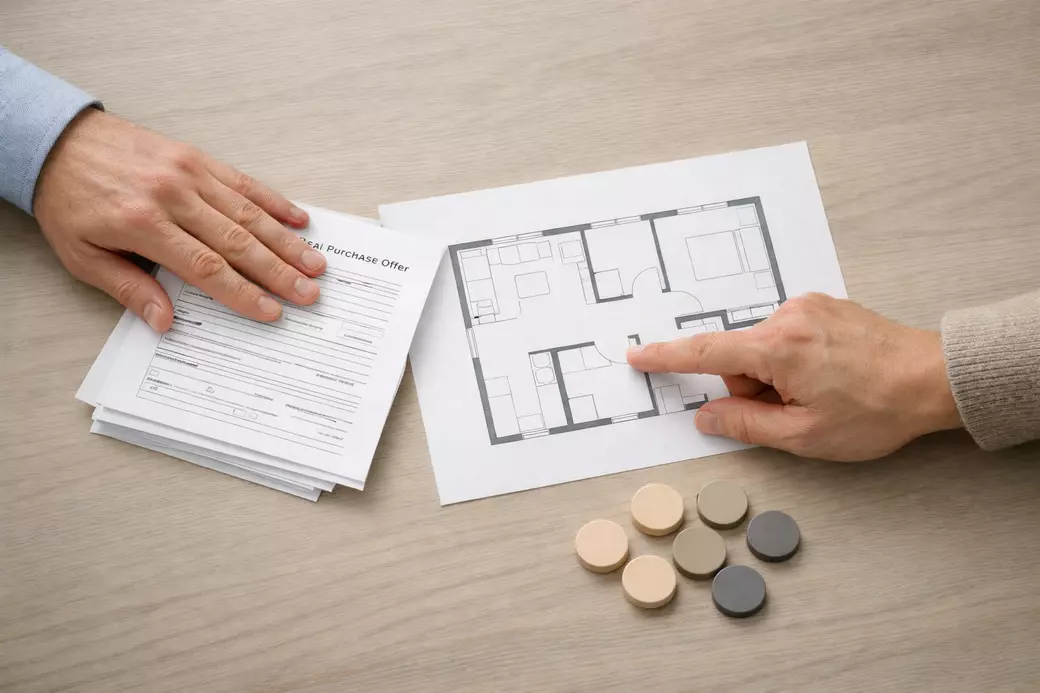
🧩 What “Negotiation” Really Includes in a Home Deal
When most people hear “negotiation,” they think about the price. Price matters, but it is only one part of the deal.
A real estate offer usually includes a full set of terms that can be negotiated, such as:
-
Possession date and closing timeline
-
Conditions, like financing or home inspection
-
Included items, like appliances, window coverings, or a shed
-
Requested repairs or credits after an inspection
-
Deposit amount and deadlines
-
Who pays for what in the agreement, based on how the contract is written
Sometimes the winning offer is not the highest offer. It is the offer that fits the seller’s needs and creates the least stress.
🧭 How the Market Changes Your Leverage
Negotiation is not the same in every market. Your leverage depends on what is happening right now and what is happening with that specific home.
When buyers have more leverage, you may be able to:
-
Ask for more conditions
-
Take a bit more time to think
-
Request repairs or credits more confidently
-
Negotiate inclusions like appliances
When sellers have more leverage, you may see:
-
Less willingness to accept conditions
-
Tighter timelines for offers and responses
-
More pressure to come in strong upfront
-
More focus on clean terms and fewer loose ends
Even in the same week, two homes can feel totally different. A home that is priced well and shows great can attract multiple offers fast. A home that has been sitting longer may be open to more back-and-forth.
The key is to match your approach to the situation, not just your feelings about the home.
🏠 Buyer Playbook: Building an Offer a Seller Wants to Accept
If you are buying, your goal is simple. You want an offer that protects you, but also feels easy for the seller to say yes to.
Start With a Clear Plan on Financing
Before you write an offer, you should know what you can afford and what you need from your lender. A strong offer is easier when the financing path is clear.
This does not mean you have to remove all protections. It means you should avoid writing conditions that are too open-ended or unclear.
Use Conditions in a Focused Way
Conditions are there for a reason. A home inspection condition can protect you from expensive surprises. A financing condition can protect you if your lender needs final approval.
But conditions can also make your offer feel weaker if they are messy. Keep them clear, realistic, and time-limited.
A seller usually wants to know two things:
-
How long do I have to wait for this to firm up
-
What could cause this deal to fall apart
Be Smart With Deadlines and Deposit
Your deposit, timeline, and response deadlines send a message. They can show you are serious, or they can create doubt.
A short, reasonable deadline can be helpful in some cases. A deadline that is too tight can backfire, especially if it pressures a seller who needs time to review.
Multiple Offers Change the Rules
In a busy situation, you might not get a second chance. Some buyers try to negotiate after they win, and that can damage trust fast.
If you love the home and you know it will be competitive, your first offer should be strong, clean, and realistic.
📌 Pro Tip
In multiple offer situations, a small term tweak can matter more than people expect. A possession date that fits the seller’s next move can beat a slightly higher price, because it reduces stress and risk for them.
🔍 The Second Negotiation: Inspection and Condition Days
A lot of people think negotiation ends once the offer is accepted. In reality, there is often a second round during the condition period.
This is where buyers and sellers deal with what was found during inspection, what the lender needs, and what paperwork deadlines are coming up.
Repairs vs Credits: What Is the Difference
After a home inspection, a buyer might ask for:
-
Repairs to be completed before closing
-
A price reduction
-
A credit or adjustment, depending on how the deal is structured
Which one makes sense depends on the issue and the timing.
Repairs can be tricky if the closing is close. It can also be hard to confirm the quality of the repair. Credits or price changes can be cleaner, but only if both sides agree and the paperwork is done right.
Keep the Deal Alive While Still Protecting Yourself
The goal is not to “win” the inspection. The goal is to make sure you understand what you are buying, and that you are not taking on unexpected costs without a plan.
Good negotiation here looks calm and practical. It focuses on safety issues, major systems, and big-ticket items. It avoids turning small cosmetic items into a fight.
🏷️ Seller Playbook: Protecting Your Price Without Losing Good Buyers
If you are selling, negotiation is not just about pushing for the highest number. It is about getting the best overall deal and keeping it together until closing.
Handling Low Offers Without Making It Personal
Low offers happen for many reasons. Sometimes the buyer is testing the waters. Sometimes they truly cannot go higher. Sometimes they do not understand the market.
A strong response does not need to be harsh. You can:
-
Counter with a price and terms that reflect your bottom line
-
Ask for better terms if the price cannot move
-
Set clear expectations for what you will accept
The goal is to stay firm without creating a conflict that scares off serious buyers.
Use Terms to Improve the Outcome
Sellers often focus on price first, but terms can protect you. For example:
-
A possession date that lines up with your next home
-
Shorter condition timelines so you are not in limbo
-
Clear inclusions so there are no surprises at move-out
Sometimes accepting a slightly lower price with better terms is the smarter choice, especially if it reduces the chance of a failed deal.
What a “Strong Offer” Looks Like Beyond the Number
A strong offer usually includes:
-
Realistic conditions with clear deadlines
-
A buyer who appears ready and organized
-
A timeline that works for you
-
Clean wording that does not create extra risk
If you have two similar prices, the cleaner offer is often the better offer.
⚠️ Mistakes That Cost Money and How to Avoid Them
Negotiation problems usually come from one of three things: emotion, rushing, or missing details.
Emotion and Ego
Buying and selling a home is personal, but negotiation works best when it is not personal.
Buyers can overpay because they feel pressured. Sellers can reject good offers because they feel insulted. Both sides can lose time and money when feelings drive decisions.
Focusing on One Term and Forgetting the Rest
It is easy to obsess over price and ignore the other terms that change the real value of the deal.
For example, a high price with a long condition period might be riskier than a slightly lower price with a short, clear condition period.
Missing Small Wording That Creates Big Problems
Real estate agreements have details. Small wording can change what is included, who pays for what, and what happens if deadlines are missed.
📌 Pro Tip
Before you accept or sign anything, read the inclusions and exclusions like a checklist. If you assume something stays, but it is not written in, you may be disappointed later.
🤝 What a Good Negotiator Actually Does for You
Good negotiation is not about being aggressive. It is about making smart trade-offs and keeping the deal moving.
A strong negotiator helps you:
-
Decide what matters most and what you can be flexible on
-
Communicate clearly without creating conflict
-
Spot risk in the terms, not just the price
-
Keep timelines and paperwork clean so the deal can close
For buyers, this means staying protected while still being competitive. For sellers, this means protecting your value while avoiding unnecessary deal-breakers.
🎉 Final Thoughts
Negotiation can feel uncomfortable, but it is one of the biggest tools you have to protect your money and your timeline when buying or selling a home. The best deals usually come from clear priorities, clean paperwork, and calm decisions, not last-minute pressure. If you are unsure how strong your offer should be, or how to respond to one, I’d be happy to help.
📞 Call or text me at (639) 295-4696
📧 tanner@twrealestate.ca
🌐 twrealestate.ca
If you want a plan that fits your home, your budget, and today’s market, I can walk you through the options and help you negotiate with confidence.
Recent Posts

GET MORE INFORMATION