

5 Red Flags to Watch for During a Home Showing
🚩 5 Red Flags to Watch for During a Home Showing
🧭 Tour With Your Eyes Open
A home can look amazing in photos and still hide problems. A showing is your chance to notice clues. You are not trying to diagnose the house on the spot. You are trying to spot things that deserve a closer look before you commit.
Think of this as a quick filter. If a home passes the basics, you can move forward with more confidence.
🌿 Start Outside Because Water Always Wins
Before you even walk in, take a slow look at the yard and the outside of the house.
Here are a few things to watch for:
-
Ground sloping toward the house instead of away from it
-
Low spots where water could pool after rain or snow melt
-
Downspouts that dump water right beside the foundation
-
Eavestroughs that look loose, bent, or clogged
If water is not being pushed away from the home, it can end up in the basement, crawl space, or walls. That can mean repairs later, and those repairs can add up fast.
🧱 Look for Signs the House Is Shifting
Most homes settle a little over time. The key is noticing when the movement looks bigger than normal.
During your tour, keep an eye out for:
-
Large cracks in walls, ceilings, or foundation walls
-
Floors that feel sloped or bouncy in a weird way
-
Doors that stick or do not latch properly
-
Windows that are hard to open or look slightly out of square
One crack does not always mean a major issue. A pattern of problems in multiple rooms is what should slow you down.
💧 Do a Quick Moisture Check in Every Wet Area
Water problems can show up in obvious ways, and also in subtle ways.
Check these spots closely:
-
Under kitchen and bathroom sinks
-
Around toilets, tubs, and showers
-
Near the water heater and laundry area
-
Along basement walls and corners
Watch for:
-
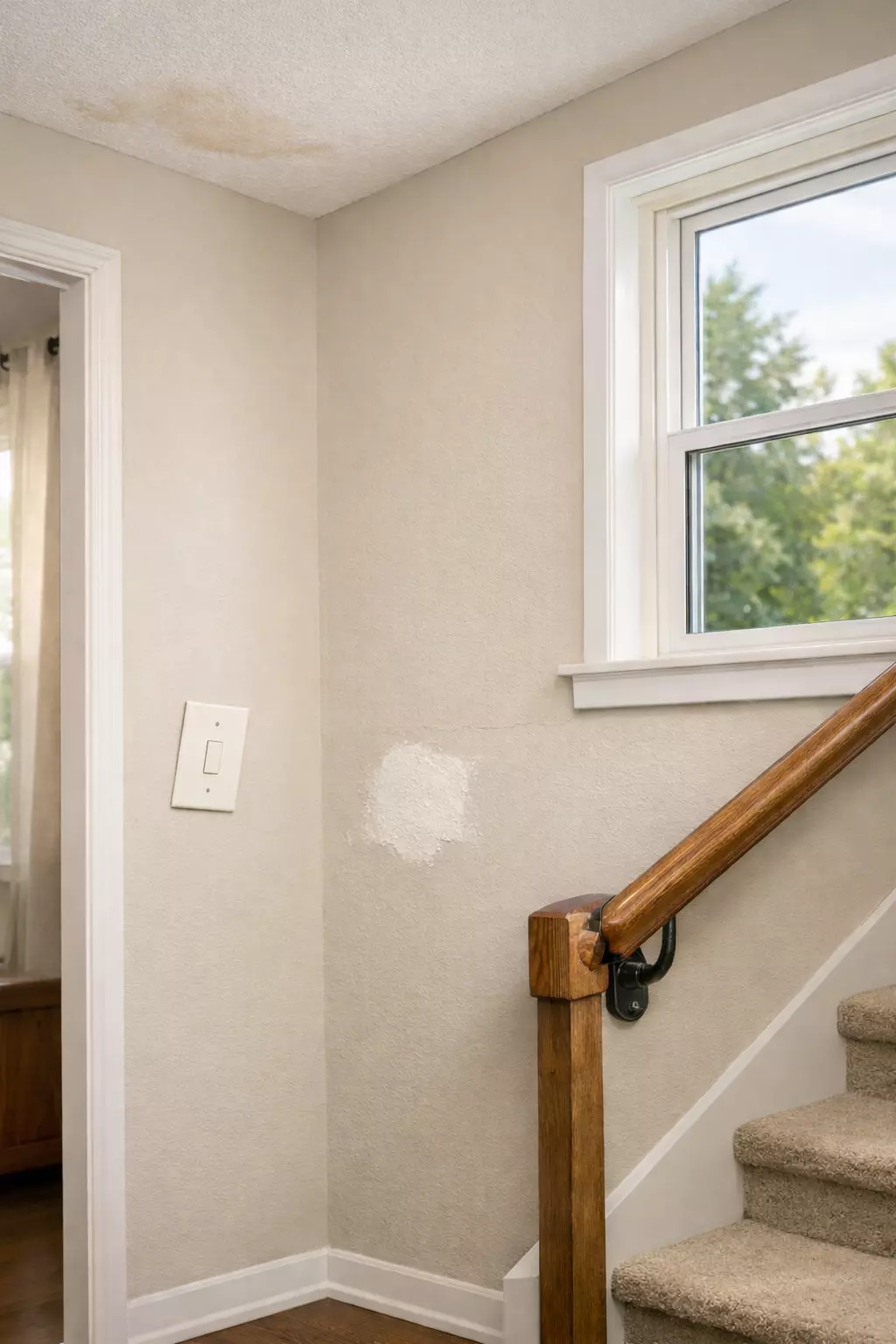
Stains on ceilings or walls
-
Peeling paint or bubbling drywall
-
Warped baseboards or flooring
-
Rust on metal posts or vents
-
A musty smell that hits you right away
If it smells damp, feels damp, or looks like it has been patched many times, treat that as a serious clue.
📌 Pro Tip: Right after each showing, write one note about the basement: “Dry,” “Damp,” or “Not Sure.” After a few tours, basements blend together, and this keeps the important detail clear.
🎨 Be Cautious With Fresh Updates That Feel Random
Updates are not a bad thing. New floors, new paint, and new lights can be great. The red flag is when a quick fix looks like it might be hiding something.
Examples include:
-
A single brand-new patch of drywall in an older room
-
Fresh paint in one corner of a basement wall
-
New flooring that stops oddly at a doorway
-
A strong air freshener smell that feels like it is covering something
Simple questions can help:
-
What was updated, and when?
-
Why that update was done?
-
Were any repairs needed first?
You are not trying to catch anyone. You are trying to understand the story of the home.
📄 If the Paper Trail Is Weak, Slow Down
Sometimes the home looks fine, but the details behind it are fuzzy. That is also a red flag.
Watch for things like:
-
Vague answers about past leaks or repairs
-
No receipts for big work like windows, roofing, or plumbing
-
A finished basement with no clear info on who did the work
-
A basement suite or added bathroom with no permit history mentioned
If the home has major changes, it is fair to ask how the work was done and whether permits were pulled. In Saskatoon, buyers can request a Property Information Disclosure report from the city, which can help confirm permit history and known issues tied to the property.
📌 Pro Tip: If you love a home with big recent changes, ask about permits and documents early. It is easier to sort out before you are emotionally attached and rushing deadlines.
🛠️ What to Do When You Spot a Red Flag
A red flag does not always mean “walk away.” It means “investigate.”
Here is a smart next step list:
-
Ask direct questions and write down the answers
-
Take photos of the areas that worry you (if allowed)
-
Use a home inspection condition so you can get a professional opinion
-
Bring in a specialist when needed, like a plumber, electrician, or foundation contractor
This is where good planning protects you. You can like a home and still be careful.
🎉 Final Thoughts
A good showing is not just about the layout and the finishes. It is about spotting the clues that could turn into big costs later. If you keep your focus on water, movement, and the home’s history, you will make decisions with a lot more confidence.
If you are unsure how serious a red flag is, or how to protect yourself in an offer, I’d be happy to help.
📞 Call or text me at (639) 295-4696
📧 tanner@twrealestate.ca
🌐 twrealestate.ca
When you have the right plan and the right support, you can tour homes with clarity and move forward without second-guessing yourself.
Recent Posts

GET MORE INFORMATION